
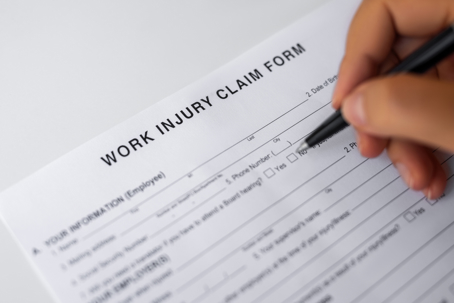
Workers’ compensation benefits exist to help employees who are hurt on the job or develop work-related illnesses. In Georgia, like most states, the workers’ compensation system is designed to provide medical care and partial wage replacement for eligible workers after a workplace injury takes them out of the workforce as they recover. However, the process can be more complicated than many people expect. Even a small mistake during the early stages of a claim can raise questions for the insurance company and potentially lead to delays or a denial.
Many injured workers assume the system will move smoothly as long as they were hurt at work. Unfortunately, insurers and employers often review claims very closely with the sole intention of finding a way to block them. If something about the report, medical records, or circumstances appears inconsistent or incomplete, it may give the insurer a reason to challenge the claim.
Understanding the mistakes that commonly lead to denied workers’ compensation claims can help you avoid unnecessary complications during an already stressful time.
Failing to Report the Injury Promptly
One of the most common reasons a workers’ compensation claim is questioned or denied is a delay in reporting the injury to the employer.
Under Georgia workers’ compensation law, injured employees generally must notify their employer within 30 days of the accident or discovery of the injury. Waiting too long to report the incident can raise concerns for the insurer about whether the injury actually occurred at work.
Even if the injury seems minor at first, it is still important to notify a supervisor or employer as soon as possible. Some injuries worsen over time, and early reporting helps establish a clear record that the injury happened during the course of your employment.
When reporting a workplace injury, it is also important to:
- Provide clear and accurate details about what happened
- Identify where and when the injury occurred
- Mention any witnesses who saw the incident
Prompt reporting creates a documented timeline that may support the claim if questions arise later.
Delaying Medical Treatment
Another common issue occurs when injured workers wait too long to seek medical attention. After a workplace injury, medical treatment not only helps protect your health but also creates important documentation about the nature and severity of the injury.
When treatment is delayed, insurers may argue that the injury was not serious or may question whether the condition was actually caused by the workplace accident. Gaps in treatment can also make it harder for doctors to connect the injury to the incident at work.
Seeking medical care quickly can help establish:
- When the injury occurred
- The symptoms experienced immediately after the incident
- A physician’s early assessment of the injury
Medical records often become a central part of a workers’ compensation claim, so timely treatment plays an important role in documenting what happened.
Providing Incomplete or Inaccurate Forms
Workers’ compensation claims involve paperwork, and mistakes on these forms can create unnecessary obstacles. Injured workers may unintentionally leave out details, provide incorrect dates, or misunderstand what information is required.
Insurance companies review claim forms closely. If information appears inconsistent or incomplete, it can lead to requests for clarification or additional investigation, which can then lead to a denial.
Common form-related mistakes include:
- Incorrect injury dates
- Missing details about how the accident occurred
- Inconsistent descriptions of the injury
- Failing to include all affected body parts
Even small inconsistencies between the claim form, the employer’s report, and medical records may raise questions during the claims process. Taking time to review documents carefully before submitting them can help reduce confusion.
Inconsistent Statements About the Injury
Consistency matters throughout the workers’ compensation process. When a worker provides different versions of events to supervisors, doctors, or insurance representatives, it may create doubt about the claim’s validity.
For example, inconsistencies might appear if:
- The description of the accident changes over time
- A worker tells the doctor something different from what was written on the incident report
- Medical records describe an injury differently from the initial claim form
These differences do not always mean the injury is invalid, but insurers may still use them as reasons to challenge the claim. Keeping a personal record of what happened, including dates, symptoms, and conversations with supervisors or medical providers, can help maintain consistency throughout the process.
Engaging in Horseplay or Non-Work Activities
Workers’ compensation generally covers injuries that occur while performing job-related duties. However, injuries that occur during horseplay or activities unrelated to work can complicate a claim, if not completely invalidate it.
Horseplay can include behavior such as:
- Physical joking or roughhousing with coworkers
- Playing games or engaging in pranks
- Ignoring workplace safety rules for amusement
If an injury occurs during these types of activities, the insurance company may argue that the injury did not arise from legitimate work duties, so the claim should be denied.
Each situation is unique, and there may still be circumstances where an injury during workplace interaction is considered work-related. However, incidents involving horseplay often face greater scrutiny during the claims process.
Lack of Documentation or Evidence
Another reason claims sometimes encounter problems is a lack of supporting documentation. Workers’ compensation claims often rely on records that help establish what happened and when. Even though workers’ comp benefits can be granted regardless of liability for the work-related accident, it may become necessary to provide proof if the claim is challenged.
Examples of useful documentation may include:
- Accident or incident reports
- Medical records and treatment notes
- Witness statements
- Photos of the accident scene or injury
- Written communication with supervisors or employers
When little documentation exists, insurers may question whether the injury occurred as described.
In some cases, workplace accidents happen quickly and without witnesses. Even so, creating a written record soon after the incident and seeking medical treatment promptly can help strengthen the documentation surrounding the claim, just in case it becomes necessary later.
Posting on Social Media After an Injury
Many people do not realize that social media activity can sometimes affect a workers’ compensation claim. Insurance companies may review publicly available posts when evaluating claims. For example, a photo or comment that appears inconsistent with the reported injury could lead to questions about the severity of the condition.
Even innocent posts can be misunderstood without full context. After a workplace injury, it may be wise to be cautious about what is shared online until the claim process is resolved.
Attempting to Handle a Complex Claim Alone
Some workers’ compensation claims proceed without major complications. However, others become more complex if the employer disputes the injury, the insurer denies benefits, or medical treatment becomes contested.
When navigating the process alone, injured workers may not always know:
- Which forms must be filed and when
- What documentation should be gathered
- How to respond if the insurer challenges the claim
Because the workers’ compensation system has detailed rules and procedures, mistakes can sometimes happen simply because a person is unfamiliar with how the process works.
Why Many Workers Speak with a Workers’ Compensation Attorney First
After a workplace injury, some employees choose to consult a workers’ compensation attorney early in the process. Attorneys who focus on this area of law understand how the claims system works and what documentation may be required to file.
Legal guidance can help injured workers better understand:
- Reporting requirements and deadlines
- How to prepare claim forms accurately
- What medical documentation may be important
- How to respond if a claim is questioned or denied
While every situation is different, having experienced guidance during the claims process can help workers avoid some of the common mistakes that may create complications.
After a Workplace Accident, Call Us
If you were hurt at work and have concerns about your workers’ compensation claim, you should speak with a lawyer who focuses on representing injured workers, like our team here at The Law Office of Arthur E. Snead, LLC. We are dedicated to helping employees understand their rights under Georgia’s workers’ compensation system and representing them at every step of their cases when necessary. We represent injured workers and never employers, too, so you know that you can trust us with your claim.
If you have questions about your claim or a denial you received, our team is available to discuss your situation and help you explore your options. Call (404) 800-1181 to get an initial consultation.